
Dark Circles Under the Eyes: Causes, Types and What Treatments Work
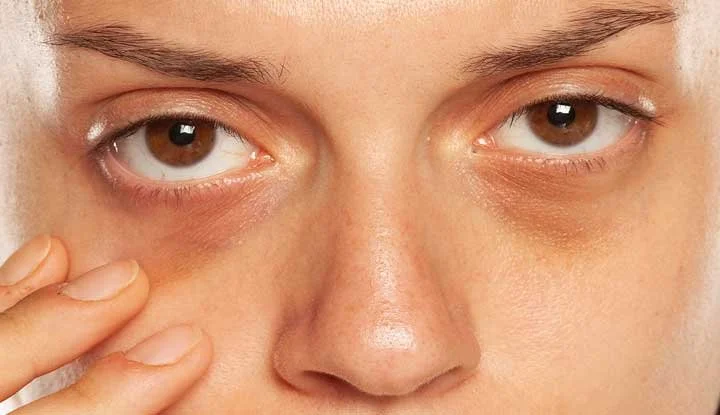
Woman with dark circles under the eyes, showing under-eye pigmentation and volume loss commonly treated with skin boosters, polynucleotides, or eye rejuvenation treatments
Dark Circles Under the Eyes: Causes, Types and What Actually Works
Dark circles under the eyes are one of the most common concerns seen in clinic, and one of the most misunderstood. Searches for “dark circles under eyes” and “how to get rid of dark circles” remain consistently high in the UK, yet many people spend years using eye creams with little visible improvement.
The reason is simple: dark circles are not all the same.
Successful treatment depends entirely on identifying the cause of under-eye darkness before choosing a solution.
This guide explains why dark circles develop, the different types, and which treatments actually help.
What Causes Dark Under-Eye Circles?
The under-eye area has the thinnest skin on the face, minimal oil glands, and limited structural support. This makes it particularly vulnerable to:
Pigmentation changes
Visible blood vessels
Volume loss and hollowing
Loss of collagen and skin elasticity
In many cases, more than one factor is involved.
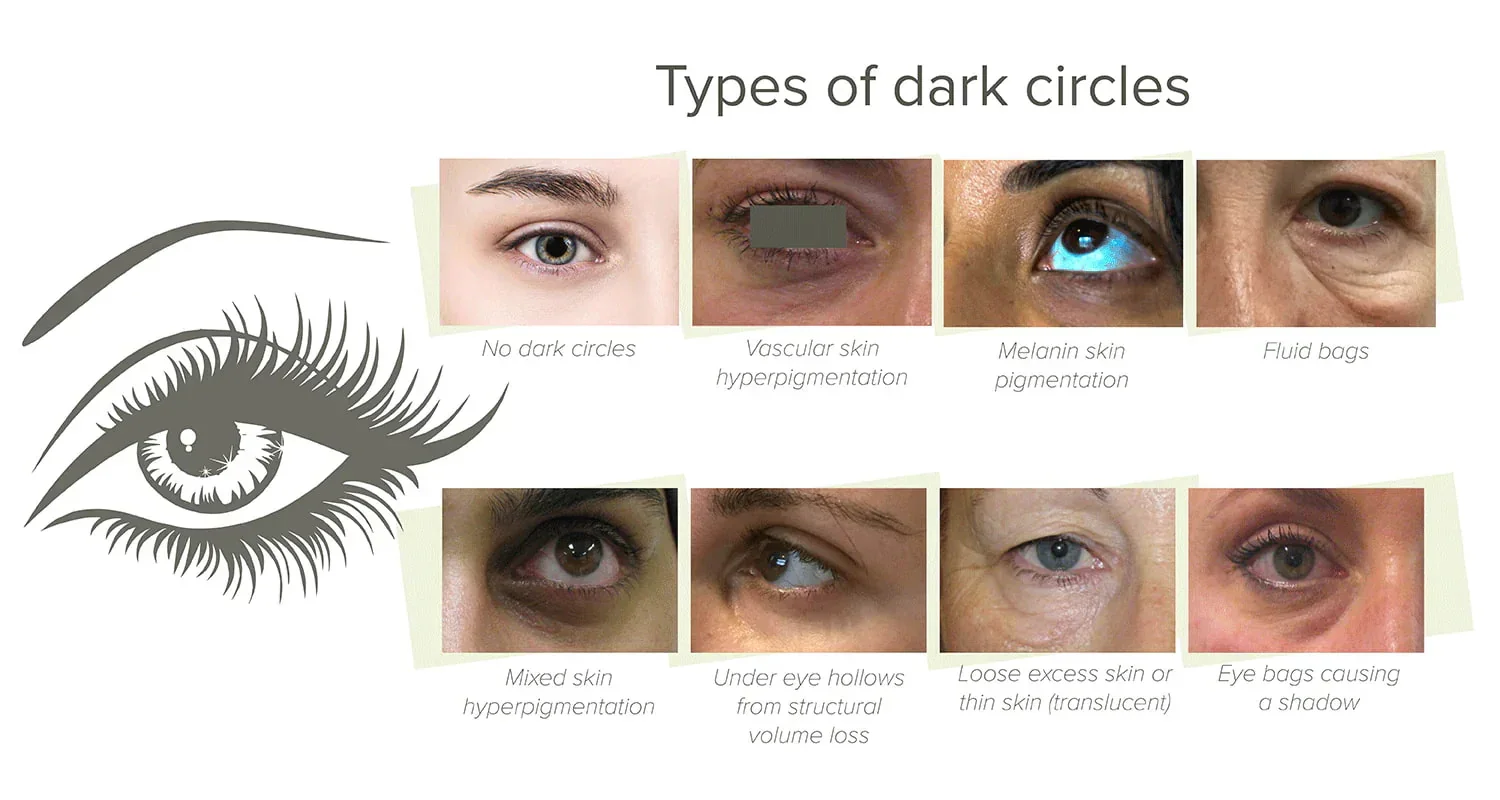
Educational diagram showing the different types of under-eye dark circles, including vascular pigmentation, melanin pigmentation, mixed hyperpigmentation, under-eye hollows from volume loss, loose thin skin, fluid eye bags, and shadowing under the eyes
1. Pigmented Dark Circles
What They Look Like
Brown or grey-brown discolouration
More common in medium to darker skin tones
Often worsened by sun exposure and hormonal changes
Why They Happen
Pigmented dark circles are caused by increased melanin production, often triggered by:
Genetics
UV exposure
Rubbing or inflammation (allergies, eczema)
Hormonal shifts during pregnancy or perimenopause
What Helps
Daily broad-spectrum SPF
Medical-grade brightening ingredients (e.g. vitamin C, niacinamide, tranexamic acid)
Targeted chemical peels for the eye area
Professional skin programmes rather than isolated products
2. Vascular (Blue or Purple) Dark Circles
What They Look Like
Blue, purple, or pink tones
Skin appears thin and translucent
Often more noticeable with fatigue or dehydration
Why They Happen
As collagen declines, underlying blood vessels become more visible through the skin. Contributing factors include:
Genetics
Age-related collagen loss
Dehydration
Lifestyle stressors
What Helps
This is where polynucleotides are particularly effective.
Polynucleotides work by:
Improving skin thickness and quality
Stimulating fibroblast activity and collagen production
Enhancing microcirculation
Strengthening the delicate under-eye tissue
They do not add volume, making them ideal for patients who:
Are not suitable for tear trough filler
Want a regenerative, natural-looking improvement
Experience persistent vascular darkness
3. Hollowing and Tear Trough Shadowing
What It Looks Like
A sunken appearance under the eyes
Darkness caused by shadowing rather than pigment
Often mistaken for discolouration
Why It Happens
Loss of fat and bone support beneath the eyes leads to hollowing, creating shadows that give the appearance of dark circles.
What Helps
Treatment depends on severity:
Mild to moderate hollowing:
Polynucleotides can improve skin quality, elasticity, and support the area, softening shadows without adding volume.More significant hollowing:
Tear trough filler may be considered, but only following careful assessment.
NB. Tear trough filler is not suitable for everyone and carries higher risk in this area. Polynucleotides are often a safer first-line or alternative option.
4. Skin Texture, Fine Lines and Crepiness
What It Looks Like
Thin, crepey skin
Fine lines under the eyes
Makeup settling into wrinkles
Why It Happens
Declining collagen and elastin
Repetitive facial movement
Dehydration and barrier impairment
What Helps
Medical-grade retinoids (used cautiously)
Polynucleotides to improve skin regeneration
Skin boosters where appropriate
Microneedling (patient-dependent)
Polynucleotides are particularly beneficial for improving skin quality without causing puffiness, which is a common concern under the eyes.
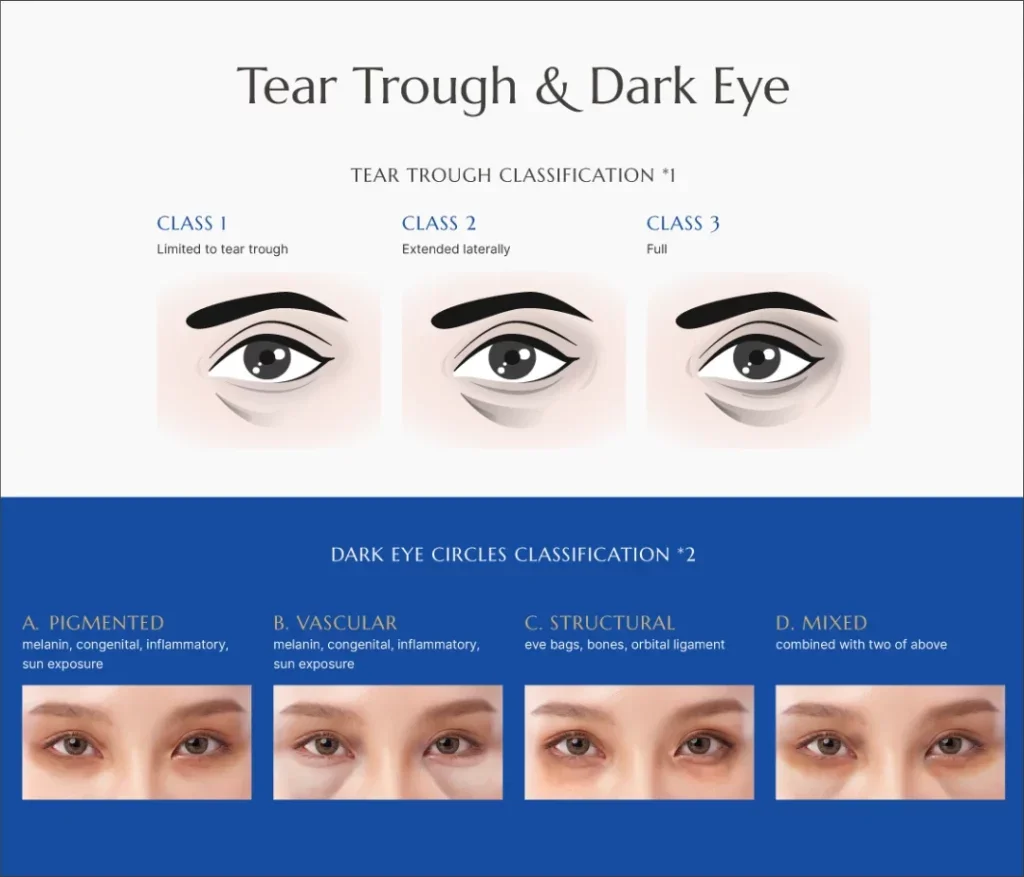
Medical infographic showing tear trough and dark eye circle classification, including Class 1 to Class 3 tear trough deformity and types of dark circles such as pigmented, vascular, structural, and mixed causes
Home Care vs In-Clinic Treatments
Home Care Can:
Support pigmentation management
Improve hydration and barrier health
Prevent further deterioration
In-Clinic Treatments Can:
Improve collagen and skin thickness
Address vascular darkness
Regenerate fragile under-eye skin
Correct structural concerns safely
The most effective results are achieved through a combined approach.
Why Eye Creams Alone Rarely Solve Dark Circles
Eye creams can support the skin but cannot:
Replace lost volume
Significantly thicken skin
Correct vascular visibility
Address structural shadowing
They are best used alongside professional treatments, not instead of them.
Why a Consultation Is Essential
Dark circles often involve multiple overlapping causes. Without assessment, treatment is often ineffective or inappropriate.
A professional consultation allows us to:
Identify the specific cause(s) of your dark circles
Determine whether polynucleotides, fillers, or skin treatments are appropriate
Avoid over-treatment and complications
Set realistic, achievable expectations
Can Dark Circles Be Completely Removed?
In most cases, the goal is meaningful improvement rather than perfection.
With:
Correct diagnosis
Medical-grade skincare
Targeted regenerative treatments such as polynucleotides
patients typically achieve brighter, healthier, and more rested-looking eyes over time.
Ready to Treat Dark Circles Safely?
If dark under-eye circles are making you look tired or affecting your confidence, expert assessment is the first step.
A personalised consultation at Fresh Aesthetics & Skin will determine:
The cause of your dark circles
Whether polynucleotides are suitable for you
Which treatments will deliver the most natural results
Book a consultation to take the guesswork out of under-eye treatments and restore freshness to the eye area.
