
Brow Drop After Botox: What Causes It and How to Avoid It
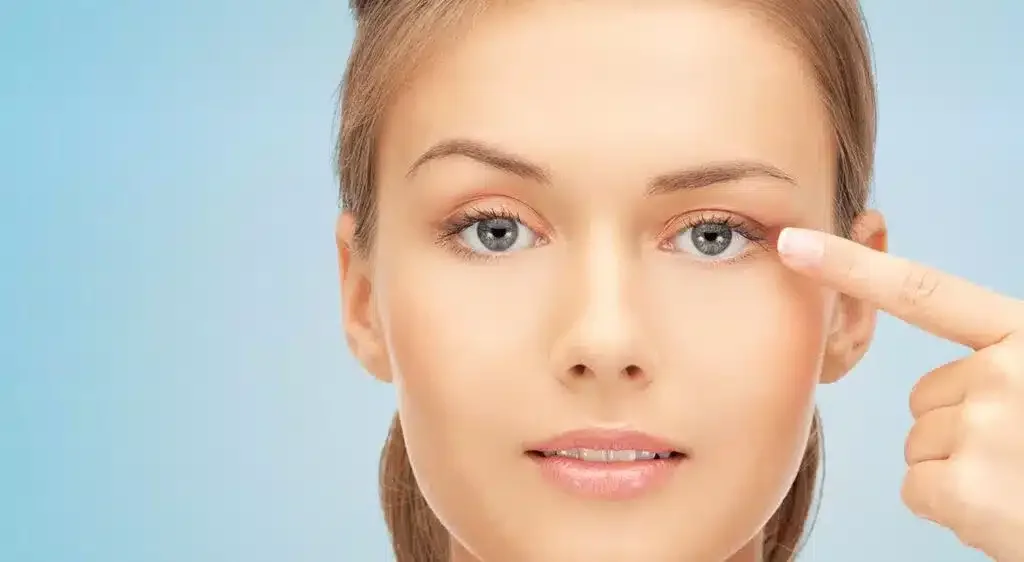
If you have ever thought “Why do my brows look heavy after Botox?” or “Botox made my eyelids look more hooded”, you are not alone.
Brow drop after Botox (medical term, brow ptosis) is one of the most searched concerns following anti-wrinkle treatment, and it is one of the main reasons that some Botox that doesn’t look natural.
However it is preventable when treatment is planned correctly.
What is brow drop after Botox?
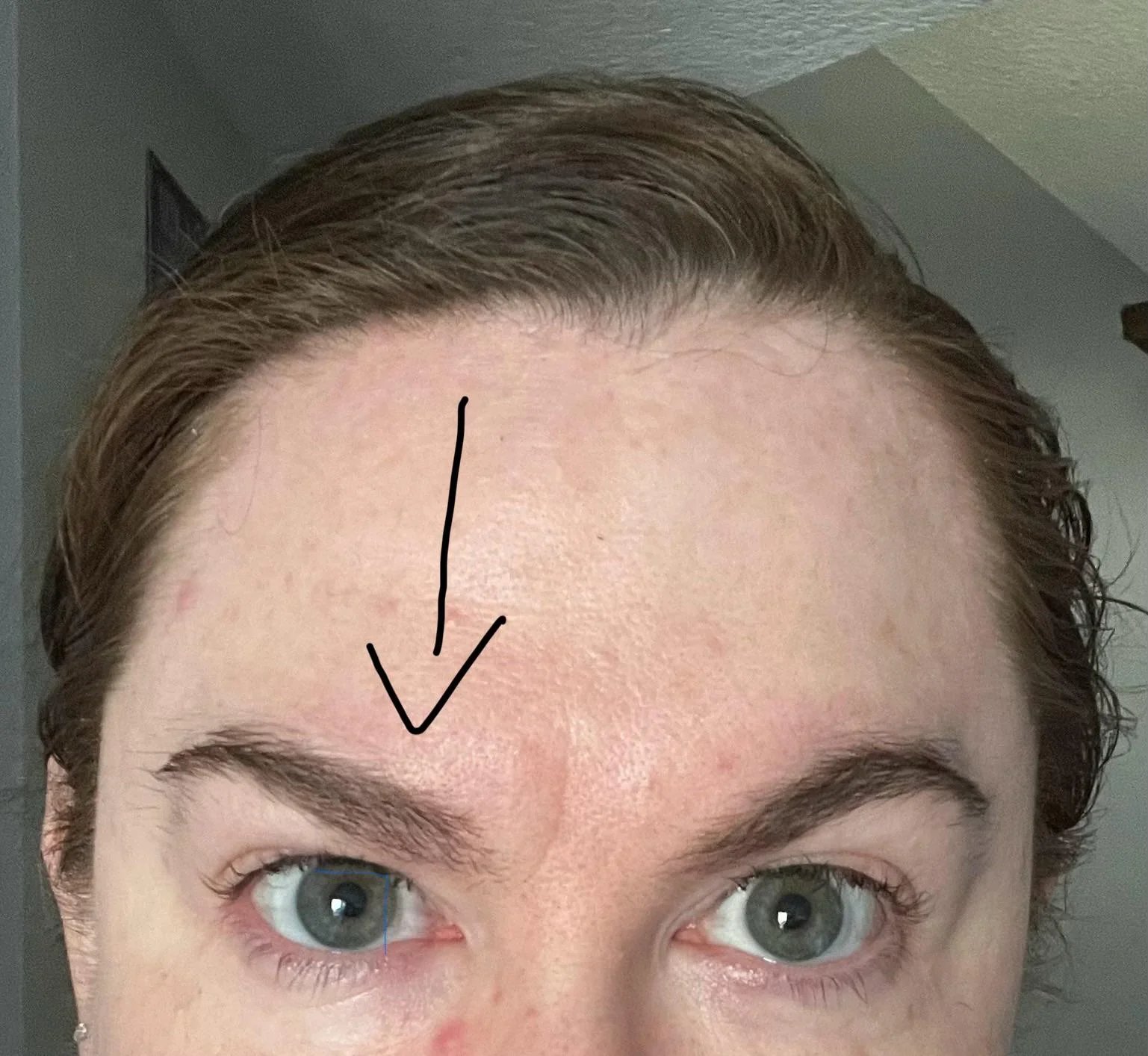
Brow drop after Botox refers to a lowering of the eyebrows, most commonly at the inner (medial) part of the brow, following treatment to the forehead lines.
Patients often notice:
Heavy or hooded brows
A tired appearance
Difficulty lifting the eyebrows
The forehead looking flat or stiff
Feeling like the eyes look smaller
Why does Botox cause brow drop?
Botox itself does not cause brow drop, how and where it is injected does.
The position of your brows is controlled by a balance of muscles:
One muscle lifts the brow (the forehead muscle)
Several muscles pull the brow down (the frown muscles & crows feet)
If this balance is disrupted, brow drop can occur.
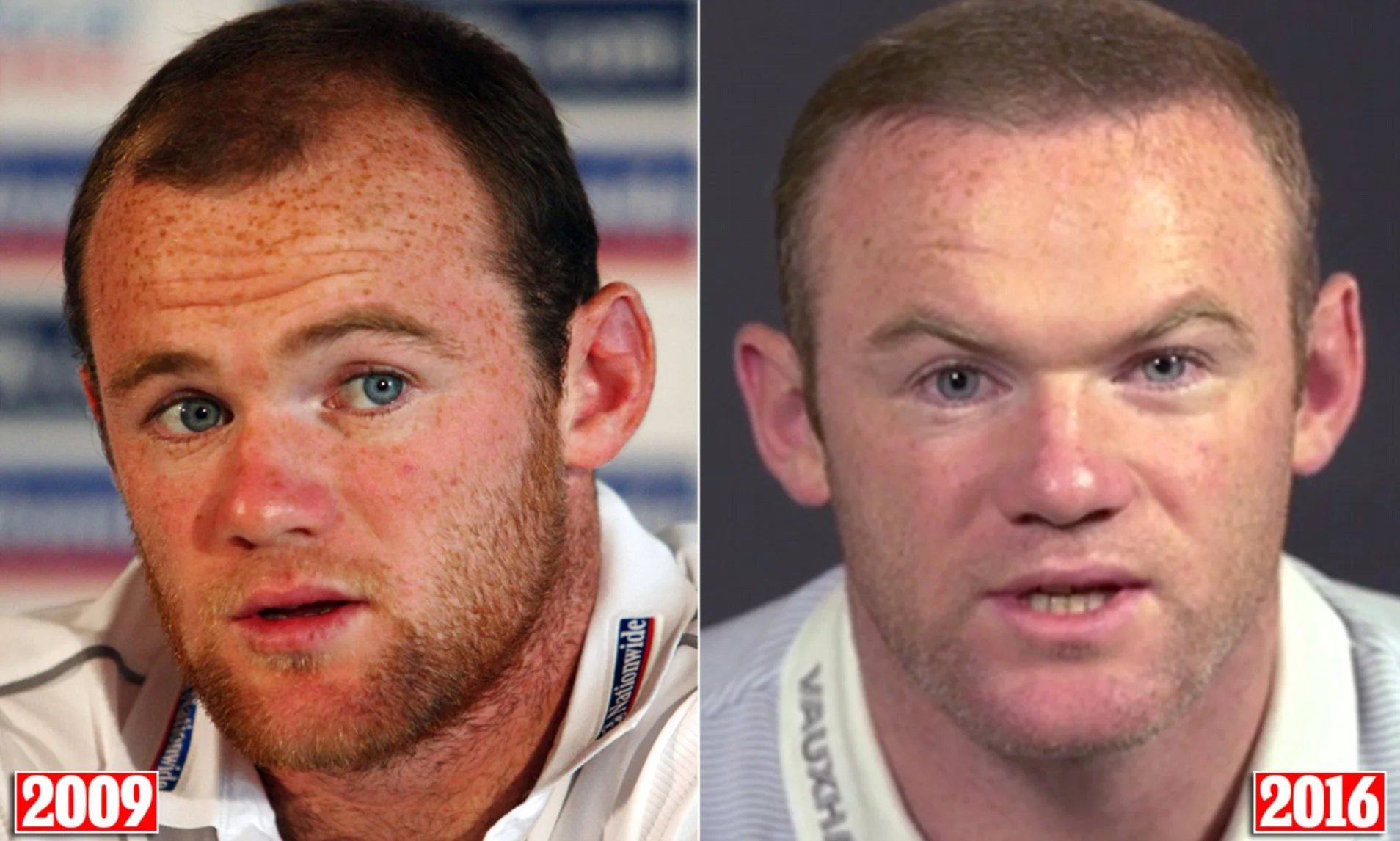
Middle brow heaviness after Botox
This is where patients would describe:
“I now have a deep horizontal crease at the top of my nose”
“Botox made the middle of my brows sink”
“My brows look flat in the centre”
“I look more angry after Botox”
The medical term is medial brow ptosis.
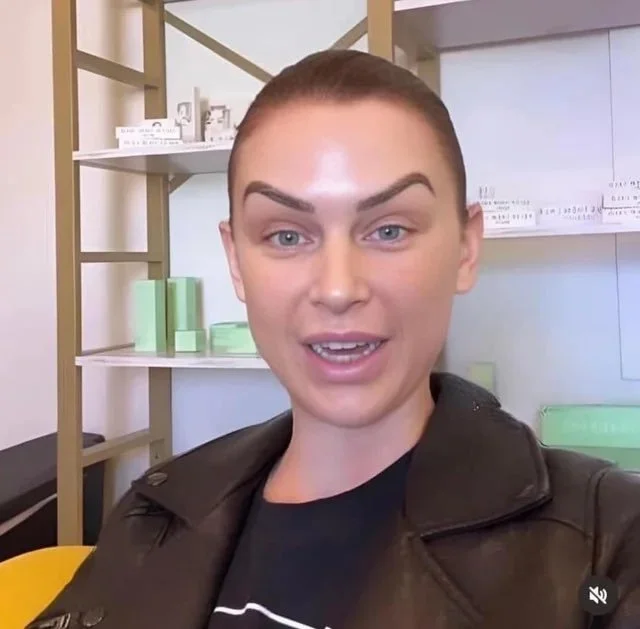
It happens when the centre part of the brow loses lift while the outer brow remains higher, and it can look even more obvious when combined with “Spock brows.”
Spock brows occur when:
The outer tail of the brow lifts excessively
The brow takes on an exaggerated, arched or uneven shape
When the middle of the brow goes down and the tail lifts up, the contrast draws attention to both problems, creating:
A sharply peaked or surprised look at the ends
Heaviness and droop near the nose
A brow shape that feels unnatural and unbalanced
This combination of inner brow droop with an over-lifted tail is one of the most recognisable signs of poorly balanced Botox.
Common causes of brow drop after Botox
1. Too much Botox in the forehead
The forehead muscle is the only muscle that lifts the brows.
If too much Botox is placed here, especially in the centre of the forehead, the lifting power is reduced, allowing the brows to fall.
This is the most common reason patients experience brow heaviness.
2. Botox placed too low in the forehead
Injecting Botox too close to the eyebrows:
Weakens the fibres responsible for brow lift
Increases the risk of drooping
Can worsen existing hooded lids
This is particularly important for patients who already have low or heavy brows.
3. Strong frown muscles left unbalanced
If the muscles that pull the brows down are still strong while the lifting muscle is weakened, the brow can be pulled downward.
4. Not tailoring Botox to your face
Everyone’s face moves differently.
Brow drop is more likely when Botox is:
Applied using a standard template
Not adjusted for brow shape or age
Not assessed dynamically (movement ignored)
This is why results can vary so much between clinics.
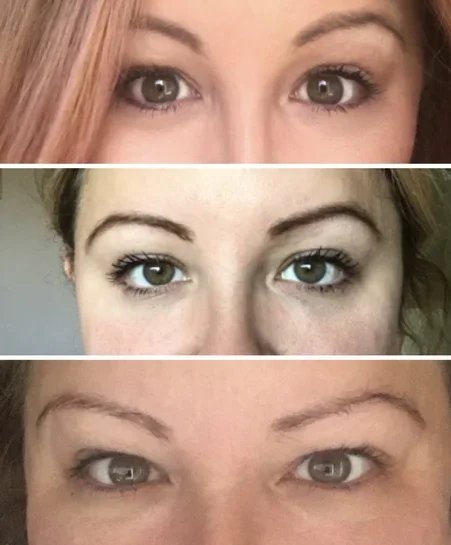
Why brow drop is a “dead giveaway” that you’ve had Botox!
Naturally ageing brows tend to drop gradually and evenly.
Brow drop after Botox often looks:
Sudden
Uneven & strange
Concentrated at the inner brow
Paired with a frozen or flat forehead
This is obvious to others and often signals ‘bad Botox’.
How to avoid brow drop after Botox
1. Choose an injector who prioritises natural movement
Preventing brow drop starts with:
Assessing how your brows move, not just how they look at rest
Understanding which muscles you rely on to lift your brows
Preserving some movement where it matters
The best results come from balance, not paralysis.
2. Conservative forehead dosing
A good practitioner will:
Use lighter doses in the central forehead
Place injections higher where appropriate
Avoid flattening the entire forehead
This helps maintain lift while still softening lines.
3. Individualised treatment planning
Your Botox should be tailored to:
Your brow position
Eye shape and lid heaviness
Age and skin laxity
How expressive you are
There is no such thing as “standard” Botox.
4. Honest discussion at consultation
You should feel comfortable discussing:
Previous heavy or droopy results
Concerns about looking frozen
Preference for movement vs smoothness
The right plan prevents regret later.
Can brow drop after Botox be fixed?
It can’t be immediately reversed but it will improve as the Botox gradually wears off
Prevention is key!
This is why careful planning from the start matters.
The bottom line
Brow drop after Botox is not inevitable and it is not something you should accept as normal.
When Botox is:
Carefully placed
Properly balanced
Tailored to your facial anatomy
The result should be:
Lifted, not heavy
Rested, not frozen
Undetectable to others
Good Botox should never be obvious. Here at Fresh Aesthetics & Skin in Portadown, we always tailor our treatments to the individual. Fresh not frozen!
Who should I see for Botox in Portadown, Lurgan, Craigavon & beyond?
Our medical aesthetic practitioners in Portadown, Northern Ireland will:
Perform a full facial assessment
Explain risks and prevention clearly
Prioritise natural, balanced results
We also have experience correcting brow heaviness or uneven brows
Avoid clinics offering “standard” or one-size-fits-all Botox.
