
Rosacea Causes, Gut Health Connection & Effective Treatments
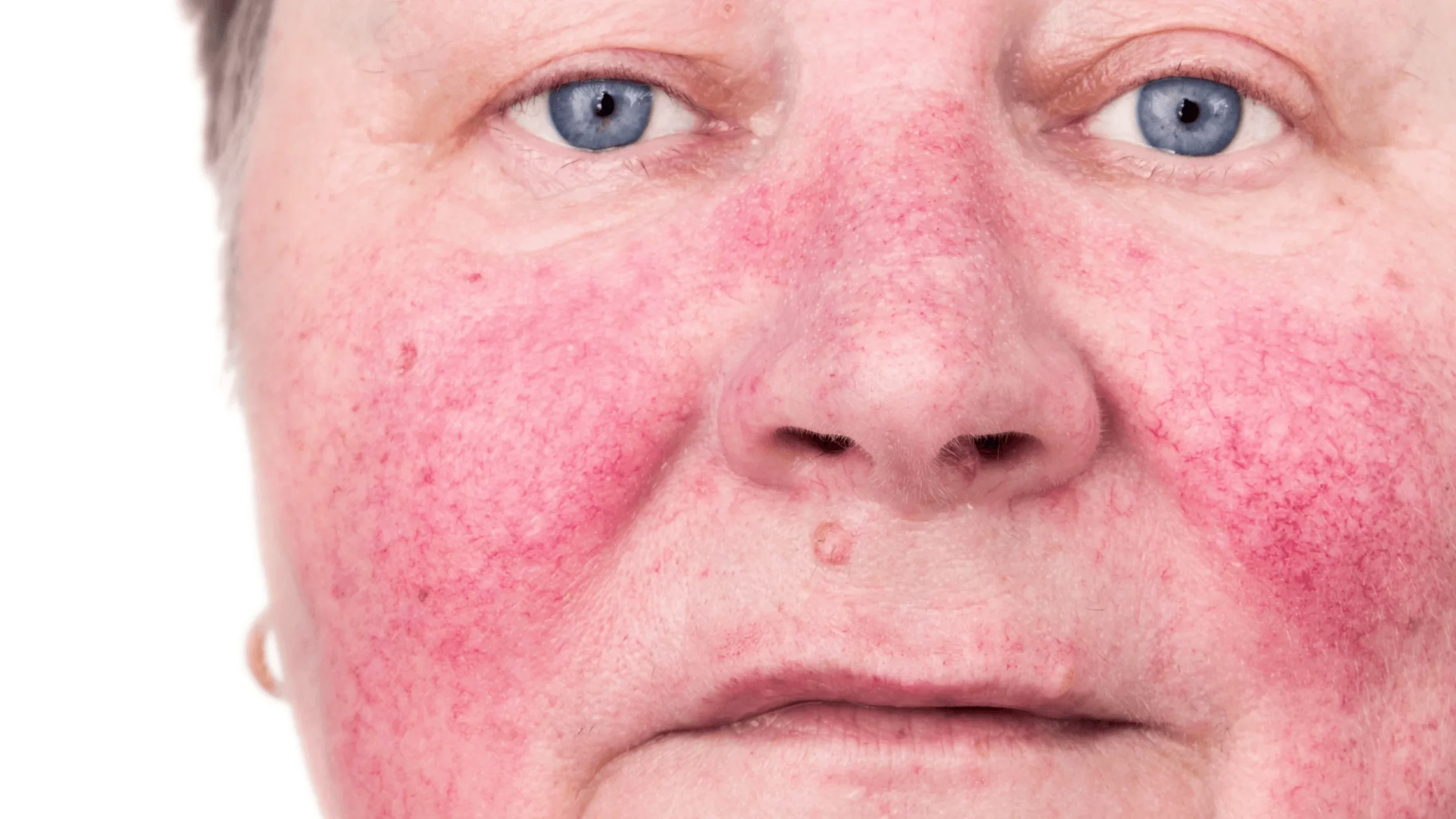
Close-up of face showing persistent facial redness, flushing and visible capillaries across cheeks and nose, characteristic of erythematotelangiectatic rosacea
Rosacea is a chronic inflammatory skin condition that affects millions globally. It is increasingly common in patients we see here at Fresh Aesthetics & Skin in Portadown. It can appear as persistent redness, flushing, visible capillaries, sensitivity, and sometimes acne-like bumps. But despite being common, it's frequently misunderstood, underdiagnosed, or treated incorrectly with generic skincare.
Let’s explore what really causes rosacea, why gut health plays a major role, and the clinically proven topical and skincare treatments we use to manage it effectively and safely.
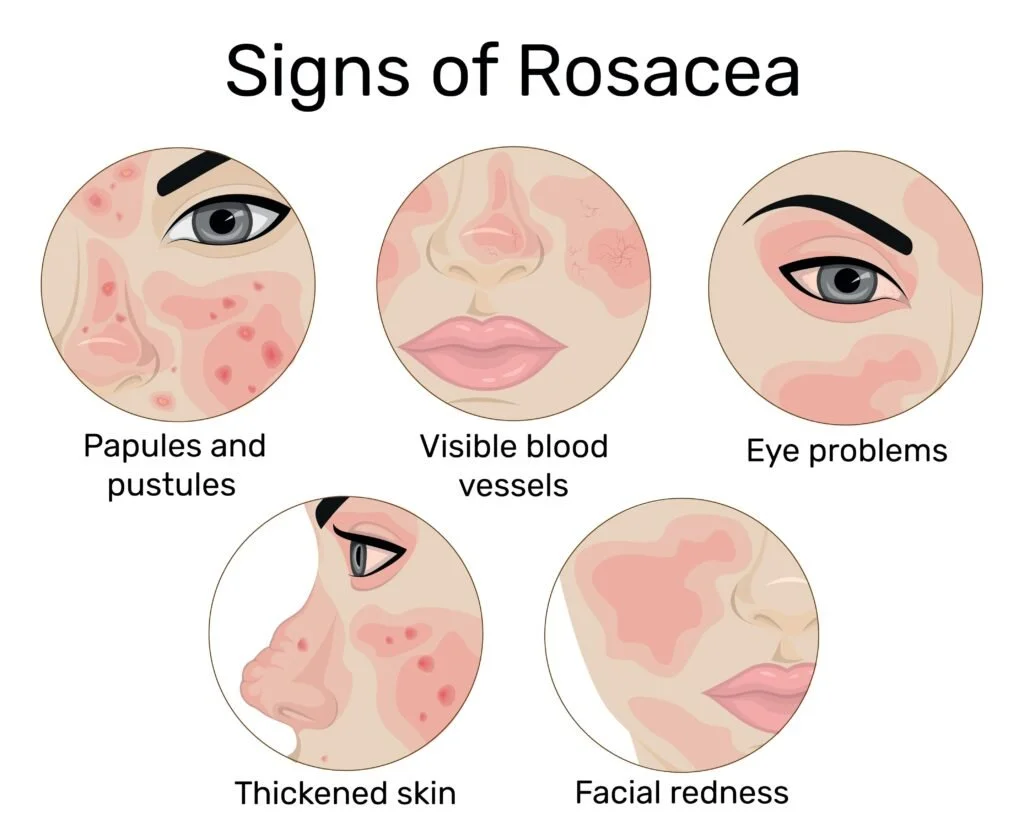
Illustration showing five common signs of rosacea: papules and pustules, visible blood vessels, eye problems, thickened skin, and facial redness
What Actually Causes Rosacea?
Rosacea doesn’t come from one single cause. It’s a complex condition with several overlapping triggers and imbalances, including:
1. Inflammation of the Skin
Rosacea is primarily an inflammatory skin disorder, with immune system dysregulation at its core. Inflammation can trigger visible symptoms like redness, flushing, papules, and discomfort.
2. Vascular Hyperreactivity
Blood vessels in rosacea-prone skin are more sensitive and reactive, dilating in response to heat, alcohol, spicy food, and UV exposure. This causes the persistent redness and visible capillaries often seen in rosacea.
3. Demodex Mite Overgrowth
People with rosacea often have higher numbers of Demodex folliculorum, a microscopic mite that lives on the skin. An overgrowth can worsen inflammation and sensitivity.
4. Skin Barrier Dysfunction
When the skin barrier is compromised, moisture is lost more easily and irritants can penetrate more deeply, which fuels flare-ups and sensitivity.
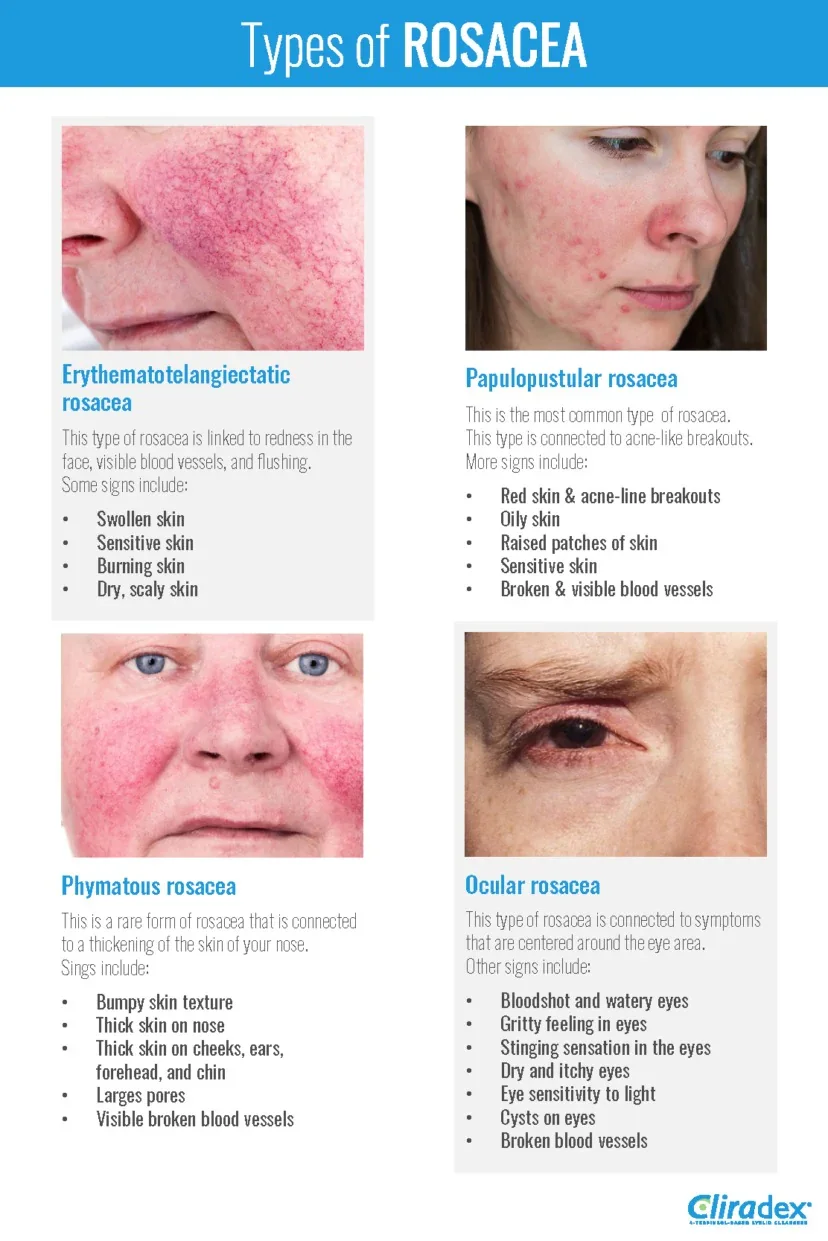
Visual guide to rosacea types with real images and symptom lists for erythematotelangiectatic, papulopustular, phymatous, and ocular rosacea subtypes
The Four Subtypes of Rosacea
Rosacea doesn’t look the same for everyone. There are four recognised subtypes, each with its own pattern of symptoms:
Erythematotelangiectatic Rosacea (ETR) Characterised by persistent redness, flushing, and visible blood vessels (telangiectasia). This subtype is most associated with vascular sensitivity and skin burning or stinging.
Papulopustular Rosacea Often mistaken for acne, this subtype presents with red bumps (papules) and sometimes pus-filled spots (pustules), typically in the central face. There are no blackheads, which helps differentiate it from true acne.
Phymatous Rosacea Involves skin thickening, especially around the nose (rhinophyma), and may include enlarged pores and irregular surface texture. It’s more common in men and usually develops over time.
Ocular Rosacea Affects the eyes and eyelids, causing dryness, irritation, redness, and sometimes blurred vision or sensitivity to light. This subtype can appear with or without visible facial symptoms.
Understanding your specific rosacea subtype is essential for tailoring the most effective treatment plan — which is why personalised skin consultations are such an important first step at Fresh Aesthetics.
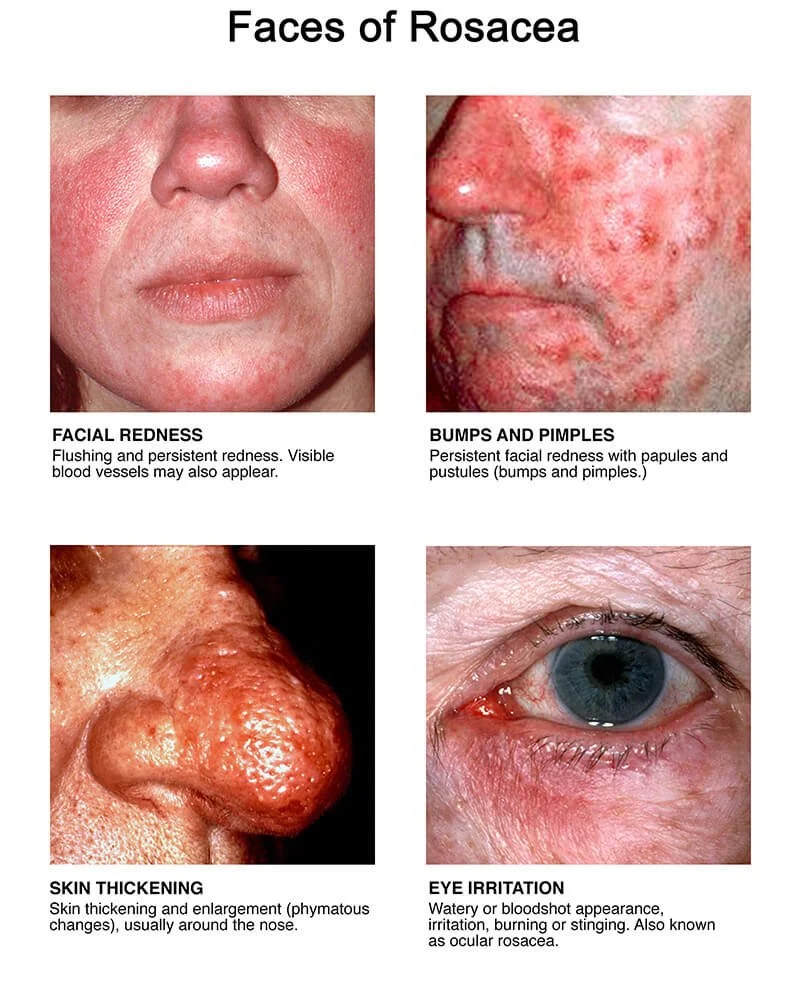
Image showing different types of rosacea with real-life examples: facial redness, papules and pustules, thickened skin on the nose (phymatous rosacea), and eye irritation (ocular rosacea).
The Gut–Skin Connection: Gut Dysbiosis & Rosacea
One of the most overlooked contributors to rosacea is gut dysbiosis, an imbalance in the gut microbiome.
Studies have shown that conditions like:
Small Intestinal Bacterial Overgrowth (SIBO)
Irritable Bowel Syndrome (IBS)
H. pylori infection
are all more common in people with rosacea.
Why? Because the gut and skin are closely linked via the immune system. Inflammatory signals and imbalances in the gut can influence systemic inflammation, increase vascular reactivity, and impair the skin’s barrier function. That’s why many patients notice rosacea flares linked to diet, gut discomfort, or stress.
At Fresh Aesthetics, we don’t just treat the skin, we discuss the whole picture, including lifestyle, diet and stress, where appropriate.
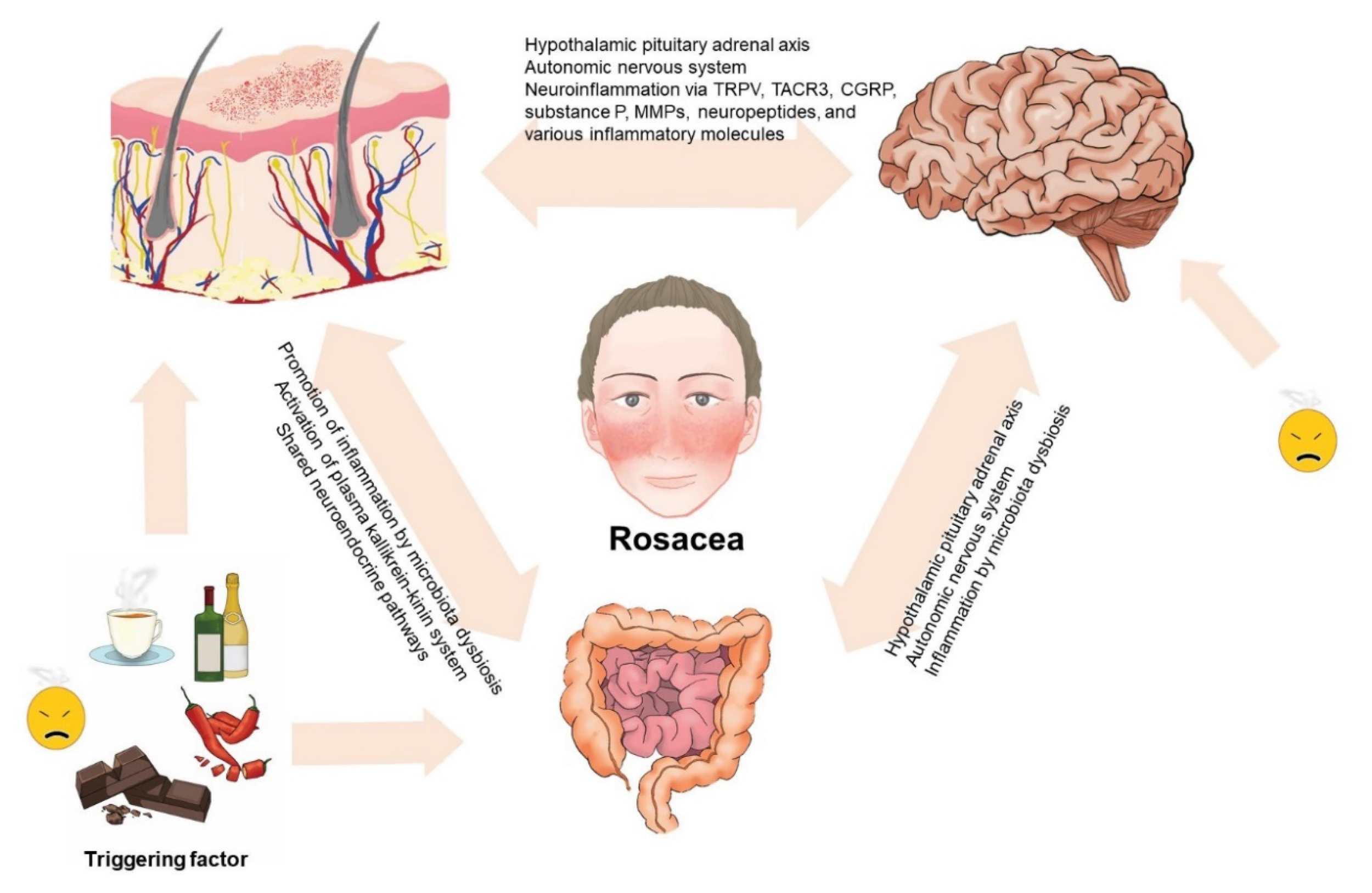
Infographic illustrating the gut–brain–skin connection in rosacea, showing how triggering factors like spicy food, alcohol, and stress can influence the nervous system, gut microbiome, and skin inflammation leading to rosacea flare-ups
Medical-Grade Skincare for Rosacea: Ingredients That Work
Supporting the skin barrier is key to reducing flare-ups, redness, and sensitivity. Here are clinically backed ingredientswe look for when recommending rosacea-safe skincare:
Niacinamide (Vitamin B3)
Anti-inflammatory and barrier-restoring
Helps reduce redness and strengthen skin resilience
Ceramides
Reinforce the skin’s natural barrier and reduce moisture loss
Hyaluronic Acid
Deeply hydrating, helps maintain skin moisture without clogging
Glycerin & Panthenol
Attract water and support skin healing and comfort
Green Tea Extract
Rich in antioxidants, calms oxidative stress and inflammation
Aloe Vera
Soothing, hydrating, and gentle – ideal for reactive skin
Titanium Dioxide (in SPF)
Mineral sunscreen filter that protects without irritation
Poria Cocos Extract
Traditional Chinese herbal extract known for calming redness
Hinokitiol
Antioxidant and anti-inflammatory oil extract that reduces redness and supports barrier repair
These ingredients are found in medical-grade skincare, not over-the-counter high-street products, which is why we only recommend formulations backed by clinical data.
Topical Prescription Therapies for Rosacea
For moderate to severe rosacea, or when papules and pustules are present, topical prescription treatments can be highly effective. Examples include:
Metronidazole (0.75% cream/gel)
Anti-inflammatory and antimicrobial
Reduces lesion count and helps calm persistent erythema
Azelaic Acid (15% gel)
Exfoliating, anti-inflammatory, and helps reduce pigmentation
Particularly useful in rosacea with visible roughness or bumps
Ivermectin (1% cream)
Targets Demodex mites and inflammation
Shown to reduce pustules, redness and lesion count
Brimonidine (0.5% gel)
A vasoconstrictor that temporarily reduces redness
Best for flushing and persistent erythema
These treatments are generally safe but should be prescribed with care, especially for sensitive skin types. Rebound redness can occur with overuse.
Emerging Treatments & Supportive Therapies
While topical therapy and skincare remain first-line, patients with more persistent or treatment-resistant rosacea may benefit from:
Oral Treatments
Low-dose antibiotics like doxycycline (anti-inflammatory, not antibiotic doses)
Gut-focused treatments if SIBO or IBS is present
Laser & Light Therapy
IPL or vascular lasers help target visible capillaries and chronic redness
Exosomes & Skin Tech
Still emerging, but early research suggests exosomes may help calm inflammation and repair the skin barrier
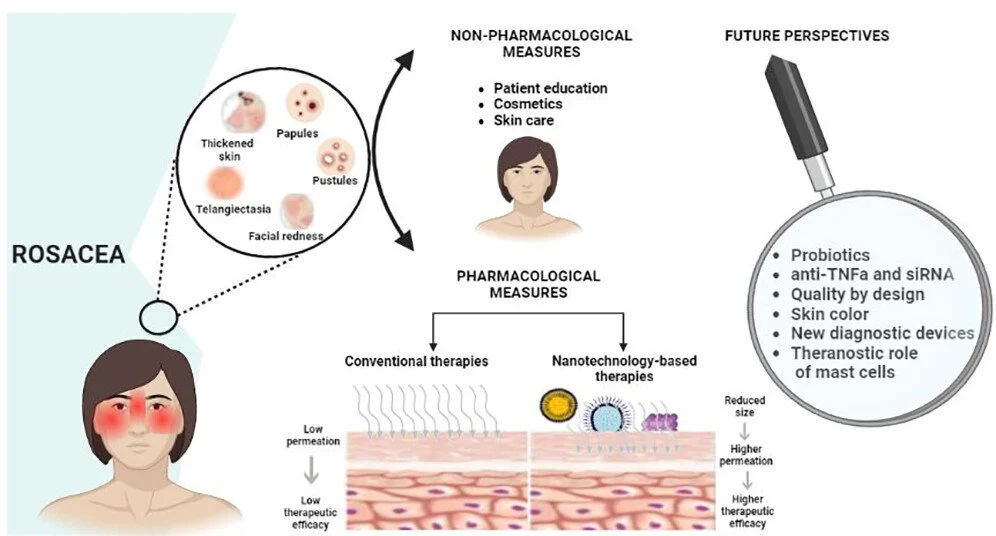
Infographic showing rosacea symptoms and treatment strategies, including non-pharmacological measures like skincare and patient education, pharmacological therapies, and emerging approaches such as nanotechnology-based treatments and probiotics
Our Rosacea Treatment Approach at Fresh Aesthetics
We believe rosacea treatment should never be one-size-fits-all. That’s why every patient at Fresh Aesthetics receives:
✔ A full skin consultation, with digital analysis
✔ A tailored home skincare plan
✔ Access to in-clinic treatments if needed
✔ Ongoing support and review to manage long-term flare-ups
Ready to Treat Your Rosacea With Confidence?
Whether you’ve just been diagnosed or you’ve been struggling with redness and irritation for years, we’re here to help. With a mix of topical therapy, medical-grade skincare, and personalised care, you can dramatically reduce flare-ups and restore calm, healthy skin.
Book a skin consultation with Dr. Brian today at Fresh Aesthetics in Portadown — your skin will thank you.
🖥️ www.fresh-aesthetics.co.uk
📍 Serving Portadown, Armagh, Lurgan, Craigavon & beyond
